Reverse Logistics
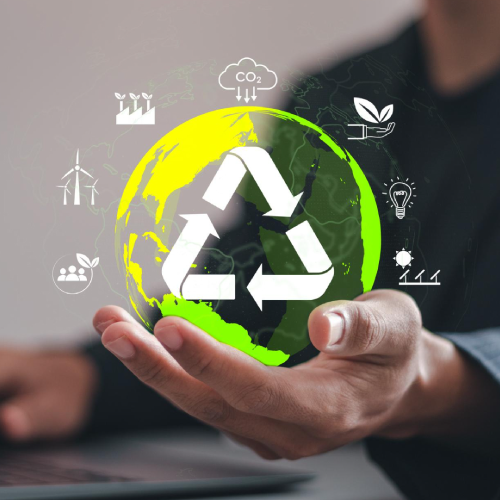
Reverse logistics refers to transporting goods from the end user back to the manufacturer, seller, or distributor. The products are sent back for recycling, repairs, or resale due to customer returns, excess unsold inventory, or end-of-life products. Such goods are either reused or disposed of responsibly to reduce environmental waste.
Request a Pickup
How does the reverse logistics process work?
Reverse logistics starts when a customer initiates a return. It involves these steps:
Types of Reverse Logistics
Returns Management
This is the process of handling returns in line with the laid-down return policies and procedures. The process aims at avoiding returns through improved instructions and product descriptions. It also involves rapidly & efficiently inspecting, sorting, testing, and re-stocking.
Refurbishing or Remanufacturing
It is the activity that restores the product to a like-new condition through repairs and rework. It aims at bringing the product back to the shelf through processes like cleaning, repairing, and replacing the parts.
Leasing and Rentals
When equipment reaches the end of the lease/rental period, it is recovered by the issuer by processing, remarketing, recycling, or redeploying it. Here, the reverse logistics also manage returns and purchases of the related surplus goods.
Procedures for Returning Items
Having a dependable set of procedures ensures uniformity and efficiency. The process must be carried out at every step according to the principles. This enables smooth returns, determination of next activities, and approval of refunds.
End-Of-Life (EOL)
When the products reach end-of-life, customers can choose to retrieve the parts, recycle, or dispose of them through reverse distribution channels. The manufacturers repossess such goods and recover value by extending their life cycle, extracting valuable materials, or disposing of these goods responsibly.
Management of the Packaging
Reverse logistics industry emphasises on waste reduction; therefore, the packaging materials are collected for re-use, recycling, or proper disposal. If a returned product is not usable, the packaging can be reused or refurbished for new products. This reduces costs, wastage, and environmental impact.
Goods That Were Never Sold
Value can be recovered from the unsold stocks or the goods refused by customers. If their sale is no longer viable at the original channel, they can be sold in the secondary market. There must be a proper reverse channel to bring back such goods.
Return Policy and Procedure
Businesses must have a defined system for returns. A flexible and friendly return policy improves brand loyalty. Return Policy and Procedures (RPP) are the guidelines that define what is permitted in a return, and they must be clearly displayed and unmistakable.
Maintenance and Repairs
When the products need a temporary return or service under an SLA (contract, warranty), reverse logistics brings back the product to the manufacturer. After repairs, the items are returned to the customer or sold to another consumer.
Schedule Pickup
If you have any questions or queries about Reverse Logistics, feel free to contact us by Telephone, Email, or Requesting a Quote. We'll be happy to assist you.
Importance of Reverse Logistics
Cost Savings
Reusing and recycling of products through reverse logistics reduces the cost of production by minimizing the need for raw materials. It drops overall operational and transportation expenses. Therefore, more value can be derived by restoring the products for resale.
Value Recovery
If done right, reverse logistics can have a big impact by recovering value. It converts unwanted goods to new-like condition, enabling resale in the refurbished market. From redeploying unsold inventory to implementing effective and efficient reverse logistics management, this process enhances business profitability.
Environmental Sustainability
Reverse logistics promotes eco-friendly methods and green logistics for processing goods. They endorse recycling to reduce waste and decrease environmental impact. Such eco-friendly products benefit the environment while they elevate the financial and reputational status of the businesses.
Improved Operational Performance
The reverse logistics is a source for customer reviews. Companies evaluate the reasons for returns to improve and optimize the reverse logistics services for better returns. Further, it streamlines operations, fortifies reputation, minimizes returns, and improves customer experience.
Enhancement of Brand’s Reputation
The reverse logistics companies care a lot about sustainability. They work towards minimal hassle, little waste, and reducing negative impact. A positive customer experience through a quick and steady process ensures a good brand reputation and loyalty.
Innovation and New Business Opportunities
Being the backbone of the circular economy, the re-commerce platforms take back and create new raw materials and products, generating new revenue streams. They turn data into strategic assets by identifying the ‘why’ and innovating product design.
Why Choose Us?

Certified Processes
With us, you operate with precision as we follow ISO certified, high-standard approach to handling returns. We drive more profitability and value through structured and fully compliant processes. Mitigate risks and build lasting customer trust with our sustainable, ethical, and comprehensive reverse logistics solutions.

Secure Data Handling
We specialise in secure data handling, using only certified data destruction methods. Our advanced tracking and technologies track down potential fraudulent returns. We provide Certificates of Destruction (CoD) for all processed items as proof of compliance so that you have peace of mind.
Nationwide Pickup
We are present pan-India, providing nationwide free pickup services to facilitate effortless doorstep returns for you. Get in touch with us and enjoy fast pickups and faster return cycles. We make reverse logistics convenient through quick collection and efficient transportation.
Transparent Reporting
We have started comprehensive take-back systems delivering accurate, transparent reporting and real-time tracking of returned items. We have expert monitoring at every step, offering full visibility and traceability.
FAQ's
What is meant by reverse logistics?
What are the 5 R's of reverse logistics?
- Returns
- Recalls
- Repairs
- Repackaging
- Recycling
How can reverse logistics reduce costs?
Why should businesses focus on reverse logistics?
What are the advantages of reverse logistics?
Schedule Pickup
FOR OLD EQUIPMENT